
Home / Sustainability
Sustainability in Real Practice,
Not Just Words.
We don't over-promise. As a flexible, smaller-scale manufacturer, we work with each client from the material selection stage to find eco solutions that fit their product positioning and budget - real, phased sustainability rather than one-size-fits-all claims.
Discuss Your Sustainability Goals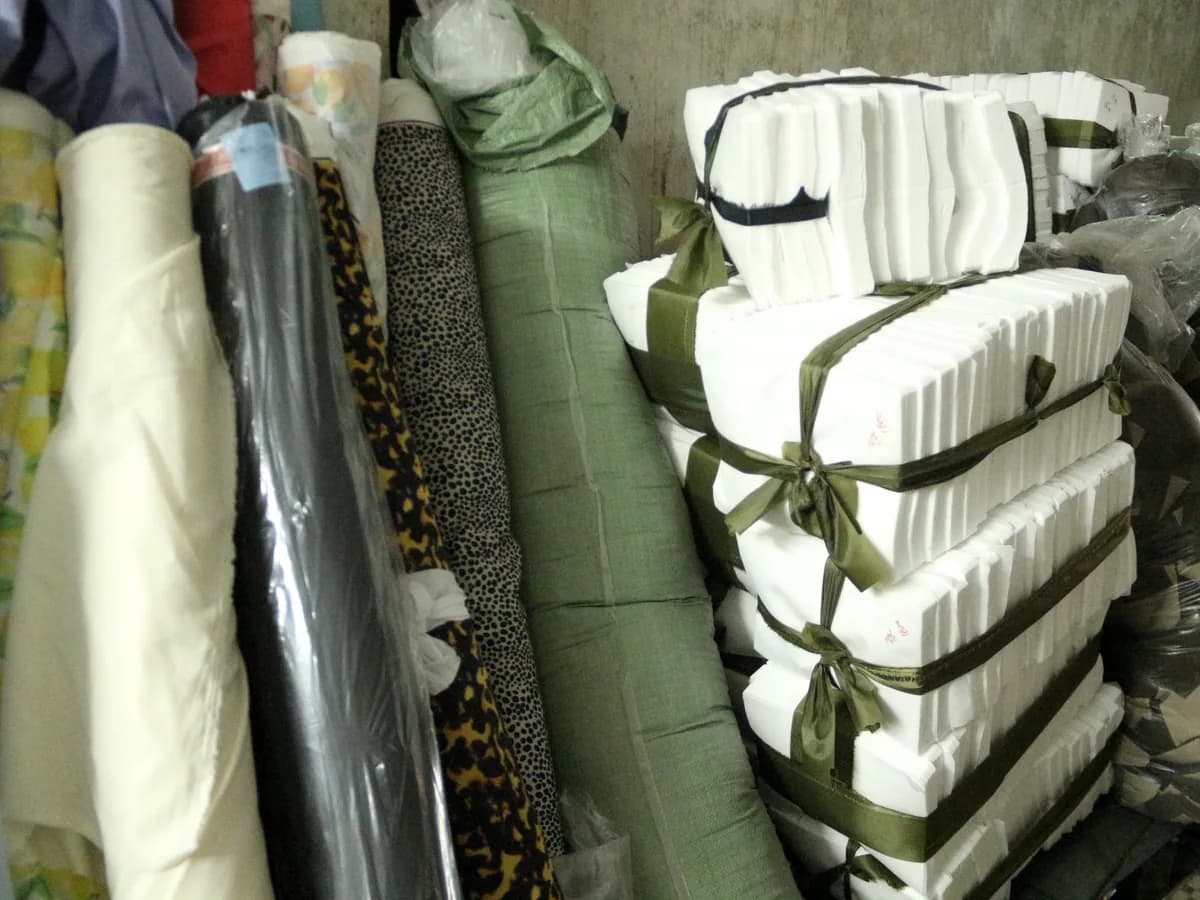
Honest Capability, Flexible Approach
We understand that sustainability requirements from European and North American brands are not a trend - they are a procurement baseline. Whether you're scaling or just starting out, we engage on sustainability from the material selection stage, not as an afterthought. Because we work with smaller, more flexible production runs, we can explore eco-material options based on your actual product positioning and budget.
rPET
GRS-Certified
Primary recycled material used in live production - shells, linings, and canvas totes.
Low-VOC
Laminate
Solvent-free TPU coatings replacing high-pollution PU, REACH-compliant.
Phased
Adoption
Start where budget allows, scale eco share over repeat orders.
Materials We Currently Use
Our sustainability work starts with materials we can actually source, document, sample, and repeat. These are not abstract claims - they are material routes already used or supported in production conversations.
Recycled Polyester (rPET)
Processed from post-consumer plastic bottles. Used as outer shell fabric (300D/600D GRS-certified rPET), lining (210D rPET), and canvas totes paired with water-based eco inks. Full traceability from fabric mill to finished roll.
Low-VOC Coated Fabrics
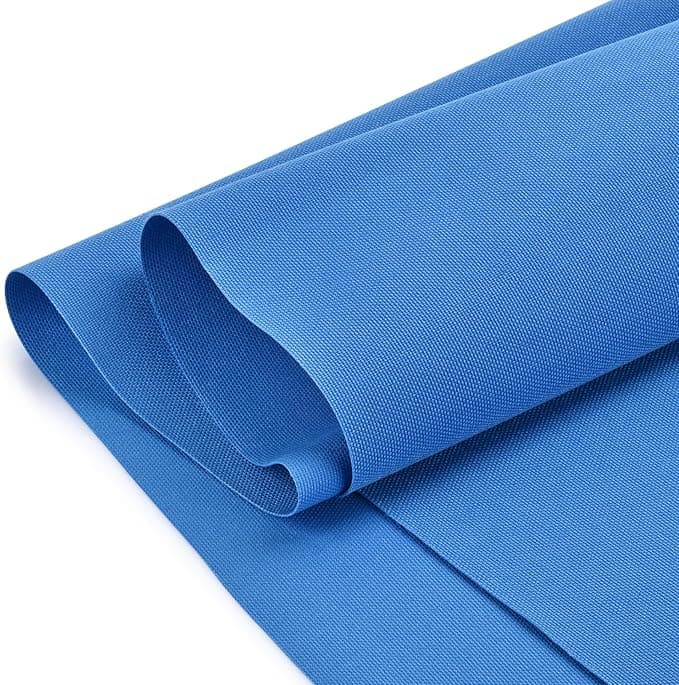
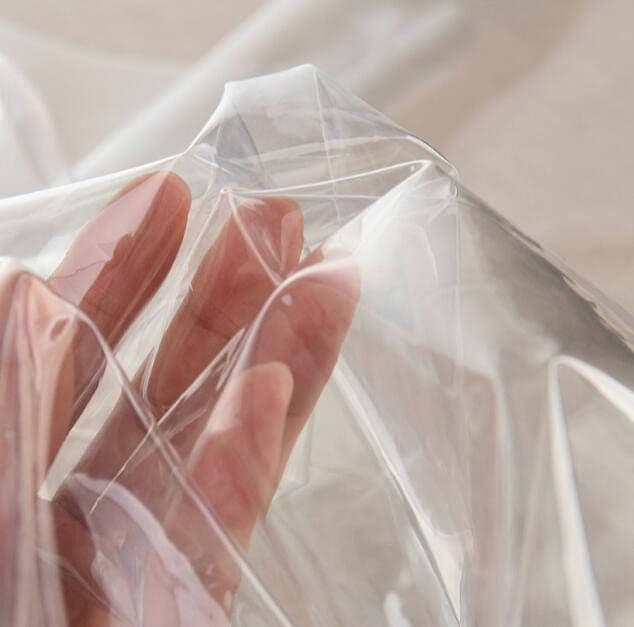
Solvent-free TPU laminate on polyester base. Replaces high-pollution PU with water resistance rated to 3,000mm. Used on zipper pouches, logo patches, and moisture-sensitive panels. REACH-compliant.
GRS-Certified Supply Chain
Multiple fabric suppliers hold GRS certification. We provide original traceability documents including fabric mill certification numbers and batch IDs - ensuring every roll in your order can be traced to source.
- Fabric mill
- Batch record
- Your order
Good products don't have to start at 1,000 pieces - and sustainability doesn't have to start at 100%.
- Eco-material brand partnerships
- 5+
- Compliance documentation we support
- GRS / OEKO-TEX / REACH
- Eco-materials considered at the project start, not retrofitted
- From Day 1
Eco-Material Brands Available on Request
For projects that need a stronger sustainability story or a recognized material name, we can source branded alternatives after checking MOQ, lead time, documentation scope, and whether the material fits the product structure.
Desserto®
Mexico
Material
Cactus leather alternative - soft, durable, sustainably farmed, non-toxic processing
Best for
Bags, wallets, small leather goods
PortugaliaCork
Portugal
Material
Natural cork - lightweight, water-resistant, recyclable
Best for
Handbags, decorative panels, brand labels
ECONYL®
Italy (Aquafil)
Material
Closed-loop regenerated nylon from discarded fishing nets and carpets
Best for
Premium backpacks and accessories
AppleSkin™
Italy
Material
Plant-based vegan leather from apple industry waste (pomace)
Best for
Design-forward brands with eco identity
Piñatex®
Spain
Material
Natural non-woven fiber from pineapple leaf fibers
Best for
Small leather goods, pockets, decorative trim
Compliance Documents We Can Provide
Procurement teams need claims to connect with documents. We help identify what can be provided at material level, what must come from the supplier chain, and where a claim should be narrowed before it appears on packaging or a product page.
We are familiar with the documentation requirements for brands entering EU retail channels (Zalando, Galeries Lafayette) and US retailers (Nordstrom). We can assist in preparing material-level compliance documents where needed.
GRS
Global Recycled Standard certificate and fabric batch labels
OEKO-TEX® Standard 100
Tested safe for harmful substances - textile safety certification
REACH
EU chemical regulation compliance declaration
FSC
Certified paper-based materials for hang tags and inner packaging
Vegan Declaration
Non-animal material substitutes - common for EU/US DTC brand requirements
How to Introduce Sustainability Without Breaking the Project
- We engage on material choices from the very beginning of a project - not after the design is locked.
- We encourage clients to start with partial eco-integration (recycled lining, FSC-certified packaging) rather than full replacement all at once.
- Small-batch testing of eco materials is supported so brands can trial before committing to scale.
- We grow with our clients: as production volumes increase, we help expand the eco-material proportion.
01
Start with high-impact components
We identify whether shell, lining, packaging, or trims are the best place to begin for your product.
02
Check sourcing stability
We confirm whether the chosen eco route is reliable enough for sampling and repeat production at your volume.
03
Document what is real
We align the product's sustainability claims with the documents that can actually be provided - no overstatement.
04
Scale over later runs
Once the first launch works, the eco share can expand more confidently in future orders.
FAQ: Sustainable Bag Manufacturing
These are the practical questions we resolve before a brand commits to eco materials, documentation language, and production quantities.
If your team needs a specific compliance claim or document path, send the exact requirement and we will tell you what can be supported at material level before sampling starts.
Can you support sustainable materials for smaller orders?
Yes, but we guide brands toward eco options that are realistic for smaller runs. Premium branded eco-materials like ECONYL or Desserto may require higher minimums - we map that out before you commit. For lining, webbing, and packaging, eco options often work well at lower quantities.
Do you provide certification documents directly?
We can provide or help gather documents that exist within the supplier chain. We do not overstate documentation that is not available for the specific project - we tell you upfront what can and cannot be documented.
Can sustainability be introduced gradually?
Yes. Many brands begin with recycled lining, FSC-certified packaging, or selected eco trims before moving a larger percentage of the BOM into eco-materials. This is our recommended approach.
How do eco materials affect cost?
It varies by material and volume. rPET and recycled webbing typically add modest cost. Premium branded alternatives (cactus leather, regenerated nylon) carry higher unit cost and sometimes higher minimums. We map the cost impact during material selection so there are no surprises.
Can I use eco materials on just part of the bag?
Absolutely. Many products use a recycled lining, FSC-certified hangtags, or eco-webbing while keeping the outer shell in conventional material. Partial integration is a practical starting point.
Do eco-material choices affect lead time?
Some materials may require longer sourcing windows, especially branded alternatives that are not stocked locally. We flag these constraints during the project planning stage so the timeline stays realistic.
Let's Build Sustainability Into Your Next Product
Share your product type, target market, and documentation needs. We'll map out a practical sustainability path that works for your first order - and grows from there.
Discuss Your Sustainability GoalsOr explore our material customization options to start on your own.